Line 1 · Station 10 of 16
Santa Isabel
Also known as Station 10
Los Mártires · Calle 1 - Carrera 24
Station facts
- Locality
- Los Mártires
- Location
- Calle 1 - Carrera 24
- TransMilenio
- No direct connection
About this area
Santa Isabel was also chosen by a citizen vote, the same process that named Ciudad Kennedy station, according to Infobae. In that poll, "Santa Isabel" won with 7,710 votes out of 14,416 cast among the proposed options for this station, according to El Tiempo. The full poll — which also covered Ciudad Kennedy and Timiza — drew 44,145 votes in total, collected over more than a month through Chatico, the city's virtual assistant, and the Alcaldía Mayor's website, according to Infobae.
The history of Santa Isabel
Quick facts
- Order
- Station 10 of 16
- Locality
- Los Mártires
- TransMilenio
- No direct connection
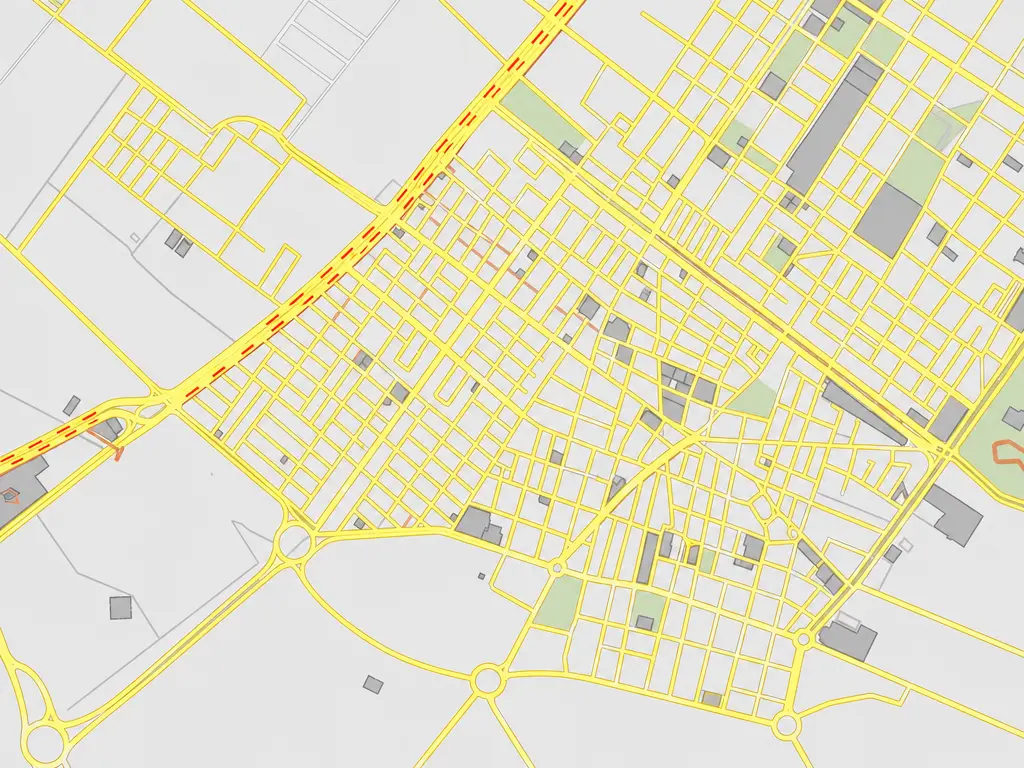
Santa Isabel's history starts with a hacienda of the same name, dedicated to farming, livestock, and dairy — cattle were reportedly washed in its lagoons on their way to the slaughterhouse — and Bogotá's city government officially recognized it as a neighborhood in 1951, according to El Tiempo. From the 1950s on it became known as the city's emerald-traders' neighborhood, considered one of Bogotá's most exclusive sectors at the time; Guillermo Molina and Víctor Carranza, two of the country's so-called "emerald czars," owned property there, especially along Carrera 27, according to the same source. Neighbors competed over who had the flashiest house facade — some finished in yellow marble and decorated with green veins meant to look like emeralds — a style that still survives on several homes in the area, according to El Tiempo. Today it's mostly a residential neighborhood for older adults: city figures cited by the same newspaper put 19 care facilities in the area, and it's common to see residents wearing ID badges, walking with nurses through its streets and parks. Santa Isabel sits within the Los Mártires locality, named for the independence-era patriots executed there, according to Wikipedia.
Frequently asked questions
Why was Santa Isabel considered an exclusive neighborhood?
Because from the 1950s on it became Bogotá's emerald-traders' district, with figures like Guillermo Molina and Víctor Carranza among its property owners; residents competed over the flashiest house facades, some decorated with green veins meant to look like emeralds.
What is Santa Isabel like today?
It's mostly a residential neighborhood for older adults, with 19 care facilities according to city figures cited by El Tiempo.
Where it is on the line
Where it is in the city
Station coordinates: Empresa Metro de Bogotá — Datos Abiertos Bogotá (CC BY 4.0)